Women in Fire and Rescue
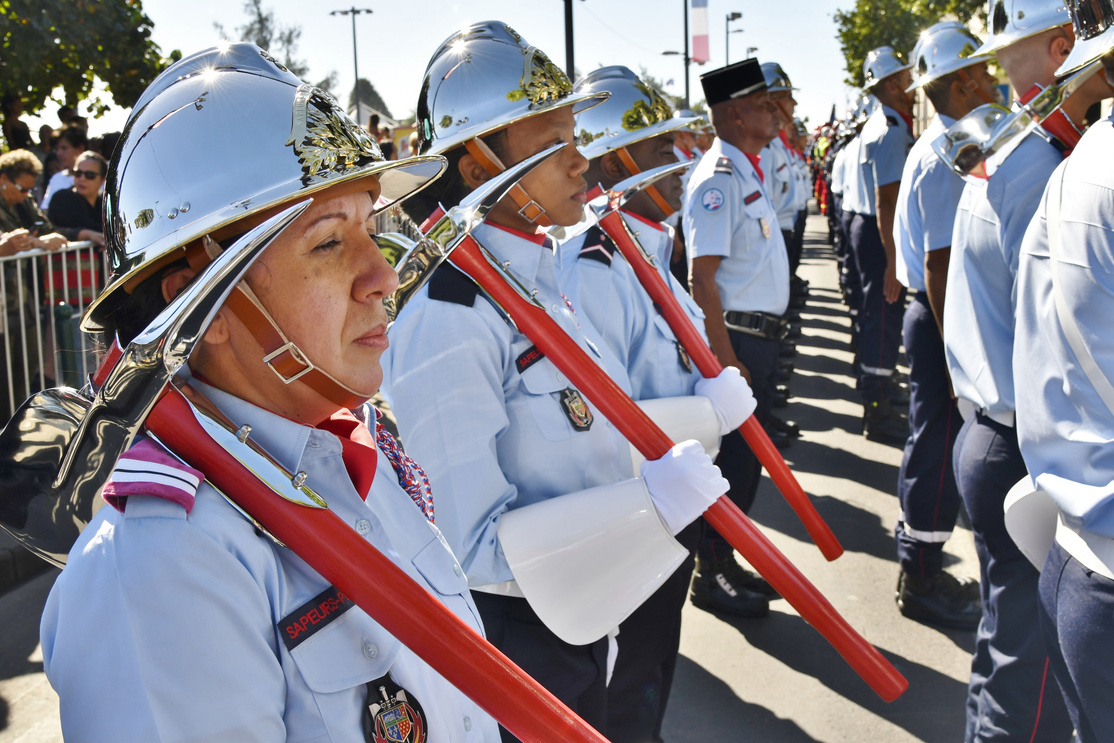
Réunion and the Indian Ocean
Stories to discover and pass on
They respond to emergencies, provide medical care, train others, lead teams, or carry out the administrative and technical work that keeps emergency services running. Their stories span generations and form part of the history of the communities they serve.
The Friends of the Réunion and Indian Ocean Firefighters’ Museum are collecting these accounts to preserve this history and pass it on. This series builds on the feature on women in the first issue of Ligne de vie.
Six new profiles from Réunion
From 1 November to 6 December 2026, we will publish a new profile from Réunion every Sunday. These articles will complement the stories of Gilberte Pothin, Marie-Nelle Payet, Odile Lery and Laëtitia Heries featured in the magazine.
Each profile can be read and shared individually. This page will bring them together as they are published and will remain available after the series ends.
The new profiles
New profiles will be published on the following dates:
- Sunday 1 November 2026
- Sunday 8 November 2026
- Sunday 15 November 2026
- Sunday 22 November 2026
- Sunday 29 November 2026
- Sunday 6 December 2026
The profiles in the magazine
The first issue of Ligne de vie features four women from Réunion:
- Gilberte Pothin: Réunion’s first female fire officer, whose career encompassed first aid, volunteer service and training.
- Marie-Nelle Payet: from becoming a professional firefighter to commanding a fire station.
- Odile Lery: her work as chief medical officer and her role in developing medical services within Réunion’s fire and rescue service.
- Laëtitia Heries: a career in fire service administration, supporting staff and passing on her knowledge.
Read the feature in Ligne de vie, issue 1 — October 2026
Perspectives from the Indian Ocean and Southern Africa
The series will gradually expand to include profiles of women serving in emergency services across the Indian Ocean region. Accounts from Southern Africa will also feature, building on the stories of Adel Supra-Vertue, Cindy Theron and Thobeka Senatse of the Cape Town Fire & Rescue Service, presented in the magazine.
These accounts will explore different approaches to recruitment and training, working conditions, responsibilities, and relationships with the places people serve. Each profile will explain the context in which the individual’s career has developed.
The fiftieth anniversary of the French decree of 25 October 1976 provides the occasion for this project. That date does not mark a common starting point for every country: each territory has its own history of women’s involvement in emergency services.
Articles coming soon.
Why collect these stories?
Archives help us establish dates, postings and decisions. Personal accounts shed light on what documents often leave unrecorded: why someone joined, how they learned the job, their working relationships, the difficulties they faced and the rewards of their career.
A first emergency call, an examination, a new responsibility or a chance meeting can leave a lasting mark on someone’s life. Collecting these memories, examining them alongside the available records and publishing them helps us understand how emergency services developed and changed.
Different experiences
There is no single story of women in emergency services. Experiences vary across generations, roles, service arrangements and working conditions. Some women describe resistance because of their gender; others focus first on their duties, their colleagues or their commitment to the service.
We aim to reflect these differences without deciding in advance what each woman’s story should be. This series is not intended to represent every experience or provide an exhaustive list of the women who have contributed to the history of emergency services.
How are the profiles prepared?
The articles draw on personal accounts, documents and photographs. Dates and roles are checked against the available sources, and any remaining uncertainties are made clear. We ask each contributor to approve her personal account before publication.
Photographs and documents are published with credits. Any additions or corrections that substantially change an article are identified and dated.
Contribute to this history
Have you been part of this history, kept photographs or documents, or come across someone whose story deserves to be recorded? You can get in touch with the association through the Contact us section of the website.
Each contribution will be considered in light of the available sources and our publication schedule.
- Ligne de vie, issue 1: fifty years of women firefighters, from Réunion to Cape Town
 On 25 October 1976, a decree opened France’s municipal fire brigades to women. Exactly fifty years later, our association is publishing the first issue of Ligne de vie, a magazine exploring the history of fire and rescue services in Réunion and the Indian Ocean. Its main feature focuses on women in fire and rescue. Download… Read more: Ligne de vie, issue 1: fifty years of women firefighters, from Réunion to Cape Town